
How to Make Easy Dirty Matcha Latte: 5-Minute Recipe
If you love both coffee and matcha, why choose between them? Combining these two popular drinks creates a delicious beverage that brings together the earthy, slightly sweet flavor of Japanese green tea and the rich, roasted taste of espresso. The result is a beautiful layered drink commonly known as a dirty matcha latte or matcha espresso fusion. The matcha makes the coffee taste richer, and the combination picks up a faintly chocolatey note.
Learning how to make coffee matcha at home is surprisingly simple. You don’t need an expensive espresso machine, professional barista equipment, or complicated ingredients. With good-quality matcha powder, milk, ice, and a shot of espresso, you can prepare a refreshing coffee shop-style drink in just a few minutes.
In this guide, we’ll walk through the ingredients, the best matcha grade, the whisking technique, and step-by-step layering trick for making a delicious iced dirty matcha latte. We’ll also explore hot matcha latte alternatives, equipment-free methods, sweetener options, and helpful tips for achieving beautiful layers every time.
What Is Coffee Matcha?
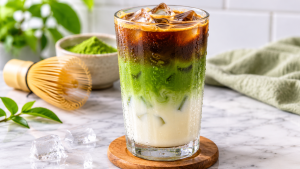
Coffee matcha is a drink that combines matcha green tea with brewed coffee or espresso. One of its most popular versions is the dirty matcha latte, which typically features three distinct layers: matcha, milk, and espresso.
The combination might sound unusual at first, but the flavors work surprisingly well together. Matcha brings a fresh, grassy, slightly sweet character, while espresso adds depth and roasted richness. Together, they create a balanced drink with a flavor that some coffee lovers describe as slightly chocolatey.
The matcha espresso fusion became particularly popular through specialty coffee shops and Starbucks-inspired drinks in Asia. Although the exact drink may not appear on every coffee shop menu, you can usually request an iced matcha latte with one or two espresso shots.
Why Combine Matcha and Coffee?
-
- Unique flavor: Earthy green tea and roasted coffee create an interesting combination of flavors.
- Beautiful presentation: The contrasting green, white, and brown layers make the drink visually appealing.
- Customizable sweetness: You can use sugar, honey, maple syrup, vanilla syrup, or no sweetener.
- Flexible preparation: It works with espresso machines, instant coffee, moka pots, and other brewing methods.
- Hot or cold: You can enjoy this combination as a refreshing iced drink or a comforting warm latte.
- Earthy and roasty: grassy matcha balances the bitterness of espresso.
- Creamy base: milk and cream round off both flavors.
- Smooth energy: matcha tends to feel calm but alert, while the espresso adds a stronger kick.
Ingredients for an Iced Dirty Matcha Espresso Latte
This recipe makes approximately one 12-ounce drink. The measurements provide a balanced combination of matcha, milk, cream, and coffee without allowing one ingredient to overpower the others.
- 2 teaspoons matcha powder: Approximately 4 grams of pure, unsweetened matcha. Use a good-quality latte-grade or ceremonial-grade powder.
- 2 teaspoons sugar: Cane sugar works well, but you can substitute honey, maple syrup, or vanilla syrup.
- 4 tablespoons water: Room-temperature or cold water works for this iced recipe.
- 1/4 cup milk: Whole milk or oat milk provides a creamy texture.
- 1/4 cup heavy cream: Adds richness and creates a smoother latte.
- 1 shot espresso: A freshly brewed espresso shot provides the coffee flavor.
- 2/3 to 3/4 cup ice cubes: Enough to fill approximately two-thirds of your serving glass.
You can adjust the milk and cream proportions depending on how rich you want your drink. For a lighter version, replace the heavy cream with additional milk.
Equipment You’ll Need
- Bamboo matcha whisk or chasen or handheld electric frother.
- Small matcha bowl or mixing bowl.
- Fine mesh sieve for removing clumps.
- Espresso machine or alternative coffee brewer.
- Measuring spoon or digital kitchen scale.
- Tall serving glass.
- Small spoon for mixing.
How to Make Coffee Matcha Step by Step
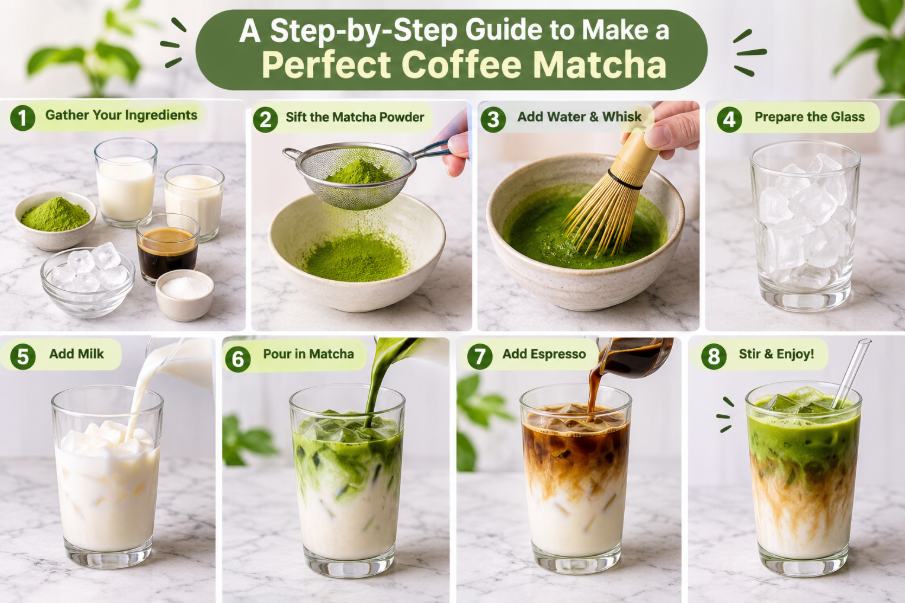
Now it’s time to prepare your homemade dirty matcha latte. The secret to getting a smooth drink is preparing the matcha separately before combining it with milk and coffee.
Step 1: Measure and Sift the Matcha Powder
Start by measuring approximately 2 teaspoons or 4 grams of pure matcha powder into a small bowl.
For the smoothest result, pass the powder through a fine mesh sieve before adding water. Matcha is a finely ground green tea powder that can easily form small clumps, especially when exposed to moisture or static electricity.
Sifting breaks up these clumps and helps the powder mix more evenly. This step is particularly useful when working with freshly ground, high-quality matcha.
Step 2: Add Water and Sweetener
Add approximately 4 tablespoons of water to your sifted matcha. You can also add your preferred sweetener at this stage.
For an iced coffee matcha latte recipe, room-temperature or cold water works perfectly well. Unlike traditional hot matcha preparation, you don’t necessarily need warm water when making this particular iced version.
If you prefer a sweeter drink, add cane sugar, honey, maple syrup, or vanilla syrup. Liquid sweeteners are especially convenient because they dissolve more easily than granulated sugar.
Step 3: Whisk Until Smooth
Use a traditional bamboo whisk to combine the matcha and water. Move your wrist quickly in a back-and-forth M-shaped or zigzag motion rather than stirring in circles.
Continue whisking for approximately 20 to 30 seconds until the mixture becomes smooth and develops a light layer of foam.
If you’re wondering how to make matcha espresso marble with bamboo whisk, the secret is to prepare a concentrated, lump-free matcha mixture first. A smooth matcha base makes it easier to create attractive layers when you assemble the finished drink.
If you don’t have a bamboo whisk, a handheld electric frother works well. You can also use a tightly sealed shaker bottle or mason jar. Shake vigorously for approximately 30 seconds until the powder is evenly incorporated.
Step 4: Prepare the Milk and Ice
Take your serving glass and fill it approximately two-thirds full with ice cubes. Pour in your milk of choice, followed by the heavy cream.
Whole milk creates a rich, traditional latte texture, while oat milk is a popular plant-based alternative because of its creamy consistency and relatively neutral flavor.
Almond milk and soy milk are also suitable options. Keep in mind that different milk varieties produce slightly different levels of creaminess and foam.
If you want a sweeter drink, you can mix the milk with a little vanilla syrup or condensed milk before adding the matcha.
Step 5: Pour in the Matcha
Slowly pour your prepared matcha mixture over the milk and ice. The green tea should form a distinct layer above the lighter milk mixture.
Pouring gently helps preserve the separation between the ingredients. The difference in temperature and density contributes to the layered appearance.
At this point, you already have a delicious iced matcha latte. However, adding espresso is what transforms it into a dirty matcha latte.
Step 6: Add the Espresso Shot
Brew one shot of espresso using your espresso machine. Slowly pour the espresso over the milk layer to create a beautiful contrast between the coffee and matcha.
For the best visual effect, pour the espresso gently over the back of a spoon. This helps distribute the liquid more gradually and reduces the chance of immediately mixing all three layers.
Watch as the darker coffee settles into the lighter layers, creating a gorgeous green, creamy, and brown marble effect.
Your homemade dirty matcha latte is ready! Give it a gentle stir before drinking if you prefer a more evenly blended flavor.
How Much Matcha and Espresso Per Latte?
A common question is how much matcha and espresso per latte you should use.
Getting the proportions right is important because matcha and espresso both have strong flavors. Too much matcha can make the drink taste overly grassy, while too much espresso can overpower the delicate green tea notes.
For a standard 12-ounce iced dirty matcha latte, start with the following measurements:
- Matcha powder: 2 teaspoons which is approximately 4 grams.
- Water: 4 tablespoons.
- Espresso: 1 standard shot which is approximately 30 ml.
- Milk: 1/4 cup.
- Heavy cream: 1/4 cup.
- Ice: 2/3 to 3/4 cup.
If you prefer a stronger green tea flavor, increase the matcha to approximately 5 grams. For a stronger coffee flavor, add a second espresso shot while increasing the milk slightly to maintain balance.
Remember that both matcha and coffee contain caffeine. The total amount will depend on the matcha variety, serving size, and espresso used.
A standard matcha latte uses about 2 to 3 g of powder. Some coffee shops use 5 to 8 g in a single cup, which gives a more intense flavor but also more caffeine at once. If you plan to add espresso, start at the lower end of the matcha range and adjust to taste.
Choosing the Best Matcha for Coffee Drinks
Quality matters here. Matcha isn’t like pizza, where any version tastes fine. A cheap powder will make this drink taste bitter and flat.
Matcha quality makes a noticeable difference in the finished drink. Since matcha is one of the main ingredients, using a fresh, flavorful powder can help create a smoother and more enjoyable latte.
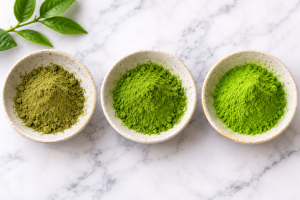
1. Culinary-Grade Matcha
Culinary-grade matcha is generally the most affordable option. It often has a stronger, more bitter flavor and a duller green appearance.
It can work in sweetened matcha drinks, smoothies, and recipes where the matcha is combined with several other ingredients.
2. Latte-Grade Matcha
Latte-grade matcha is designed for mixing with milk and other ingredients. It typically offers a brighter green color and a smoother flavor than basic culinary-grade matcha.
However, latte grade is not an officially standardized category, so quality can vary between brands.
3. Ceremonial-Grade Matcha
Ceremonial-grade matcha is generally the most premium option. It often has a vibrant green color, a delicate flavor, and less bitterness than lower-grade varieties.
For those searching for the best ceremonial matcha for iced dirty matcha latte recipe, prioritize fresh, pure, unsweetened matcha with a bright green color and a flavor profile you enjoy.
Thrive Market ceremonial-grade and Nest ceremonial-grade matcha were mentioned as personal recommendations in the source tutorial. These are examples rather than a definitive ranking of all available matcha brands.
Notes: For the best ceremonial matcha for iced dirty matcha latte recipe results, look for a fresh, vibrant powder from a brand with clear labeling and mill dates. I like the Thrive Market and Nest ceremonial grades. Freshly ground matcha makes a noticeable difference, much like freshly ground coffee. Culinary grade is a budget alternative if you accept a slightly more bitter cup.
How to Make Matcha Espresso Fusion Without an Espresso Machine
You don’t need an expensive espresso machine to enjoy coffee matcha at home. Several alternative brewing methods can produce concentrated coffee that works well in a dirty matcha latte.
a. Using Instant Coffee
If you want to learn how to make matcha espresso fusion recipe using instant coffee, dissolve approximately 2 teaspoons of instant coffee in a small amount of hot water so it is concentrated. Pour it over the milk and matcha as you would a shot. It is the cheapest and fastest route.
Adjust the amount of coffee according to the strength of your preferred brand. Allow the coffee to cool slightly before carefully pouring it over the milk and matcha layers.
b. Using a Moka Pot
A moka pot produces concentrated coffee with a bold flavor that works well as an espresso alternative. Brew a small serving, then use it in place of the espresso shot.
c. Using an AeroPress
An AeroPress can also produce a concentrated coffee serving. Use a relatively small amount of water and a suitable brewing technique to create a stronger coffee base.
d. Using a French Press
For French press coffee, use a stronger coffee-to-water ratio than you normally would. Allow it to steep, plunge, and measure approximately 2 teaspoons of concentrated brewed coffee as a starting substitute for espresso in this recipe.
How to Make Dirty Matcha Espresso Without Frother
If you are curious how to make dirty matcha espresso without frother equipment, a bamboo whisk, a small hand whisk or a jar with a lid will do.
Here, you can still prepare a smooth dirty matcha latte using basic kitchen equipment.
- Sift your matcha powder into a small bowl.
- Add the measured water and sweetener.
- Whisk vigorously with a bamboo whisk or small manual whisk.
- Alternatively, transfer the ingredients into a sealed mason jar or shaker bottle.
- Shake for approximately 30 seconds until the mixture looks smooth and slightly foamy.
- Pour over ice and milk before adding your coffee.
A shaker bottle is particularly useful when traveling or making matcha in a small kitchen without specialized equipment.
Delicious Coffee Matcha Variations to Try
Once you’ve mastered the basic recipe, there are several ways to customize your drink. These variations allow you to experiment with different flavors, sweetness levels, and brewing methods.
1. Brown Sugar Dirty Matcha Latte
For a richer, dessert-inspired drink, replace regular sugar with dark or light brown sugar.
You can also combine half a cup of milk with one teaspoon of sweetened condensed milk and one tablespoon of brown sugar. Add approximately two tablespoons of heavy cream and mix until everything is incorporated.
Pour this creamy mixture over ice, followed by your prepared matcha. Finish with an espresso shot for a delicious brown sugar dirty matcha latte.
2. Dirty Matcha with Brown Sugar Boba Pearls
To create a dirty matcha recipe with brown sugar boba pearl, start by preparing cooked tapioca pearls according to their package instructions.
Mix the warm pearls with brown sugar syrup until coated. Add them to the bottom of a tall glass, followed by ice, milk, matcha, and espresso.
The chewy pearls add a fun texture, while the brown sugar provides a caramel-like sweetness that complements both coffee and green tea.
3. Keto Dirty Matcha Cold Brew Recipe
If you prefer a lower-carbohydrate drink, try a keto dirty matcha cold brew recipe. Replace regular sugar, honey, and sweetened condensed milk with a suitable zero-sugar sweetener.
Use unsweetened almond milk or another low-carbohydrate milk alternative. Prepare your matcha separately and combine it with cold brew coffee and ice.
For extra creaminess, add a small amount of heavy cream. Always check the nutritional information of your ingredients to make sure the finished drink fits your dietary requirements.
4. Matcha Cold Brew Coffee Recipe
For a refreshing alternative to espresso, try a matcha cold brew coffee recipe. Prepare your matcha with a small amount of water, then combine it with chilled cold brew coffee and your favorite milk.
Instead of pouring a hot espresso shot into the glass, use approximately 30 to 60 ml of concentrated cold brew. Adjust the amount depending on how strong you want the coffee flavor.
5. Hot Matcha Espresso Latte
If you prefer warm drinks, you can make a hot version using the same basic ingredients.
Prepare approximately 2 grams of matcha with 30 ml of hot water at around 75–80°C. Whisk until smooth and lightly frothy.
Heat approximately 200 ml of milk until warm and silky. Pour the matcha into your mug, add the steamed milk, and finish with a freshly brewed espresso shot.
You can create simple latte art if your milk has enough microfoam. Alternatively, stir everything together for a comforting hot coffee matcha drink.
Tips for Making Barista-Quality Coffee Matcha
A few simple techniques can improve both the flavor and appearance of your homemade drink.
1. Use Fresh, High-Quality Matcha
Choose pure matcha powder rather than pre-sweetened green tea mixes. Look for a vibrant green appearance and store the powder in an airtight container according to the manufacturer’s instructions.
2. Avoid Boiling Water
Very hot or boiling water can bring out unpleasant bitter notes. For traditional matcha preparation, use water around 75–85°C, depending on the matcha and your taste preferences.
3. Always Sift Your Matcha
Sifting prevents stubborn lumps and makes it easier to create a smooth mixture. This is especially important when preparing matcha for iced drinks.
4. Pour Slowly to Create Layers
For a beautiful layered appearance, add the ingredients gradually. Start with milk and ice, add matcha, and finish with espresso. Pouring slowly over the back of a spoon can help preserve the separation.
5. Adjust Sweetness to Your Taste
Some coffee shops sweeten their matcha drinks by default, but homemade versions give you complete control. Start with a small amount of sweetener and add more only if necessary.
Frequently Asked Questions
1. Can You Mix Matcha and Espresso Together?
Yes. Matcha and espresso work surprisingly well together. Matcha contributes earthy, slightly sweet green tea flavors, while espresso adds roasted coffee notes. You can combine them directly or create separate layers for a more attractive presentation.
Combining matcha and espresso may result a lot of caffeine. So, just start with 2 to 3 g of matcha and one shot of espresso, then adjust to how you feel.
The taste coffee matcha espresso is creamy and earthy with a roasty depth from the espresso. Many people notice a slight chocolatey flavor.
2. How Much Matcha Should I Use for One Latte?
Approximately 2–3 grams of matcha is a good starting point for a standard latte. You can increase the amount to around 4–5 grams if you prefer a stronger green tea flavor.
3. Do I Need a Bamboo Whisk to Make Coffee Matcha?
No. A bamboo whisk is traditional and produces excellent foam, but an electric frother, manual whisk, shaker bottle, or mason jar can also work. The important thing is to dissolve the matcha completely before assembling the drink.
4. Can I Use Instant Coffee Instead of Espresso?
Absolutely. Dissolve approximately 2 teaspoons of instant coffee in a small amount of hot water to create a concentrated coffee mixture. Let it cool slightly before adding it to your iced matcha latte.
5. What Milk Works Best with Coffee Matcha?
Whole milk provides a rich and creamy texture. Oat milk is another excellent choice because of its smooth consistency and relatively neutral flavor. Almond and soy milk also work well, depending on your preferences.
6. Can I Make Coffee Matcha Ahead of Time?
You can prepare the matcha mixture and coffee separately ahead of time and refrigerate them in covered containers. For the best flavor and appearance, assemble the drink shortly before serving. Avoid storing the finished iced latte with ice for extended periods because melting ice will dilute the flavor.
7. Is Dirty Matcha Stronger Than Regular Matcha Latte?
Generally, yes, because dirty matcha includes coffee in addition to green tea. However, the actual caffeine content depends on the amount and type of matcha and coffee used.
8. How Do You Layer Matcha and Espresso Shot with Portafilter?
First, prepare your matcha separately and pour it over milk and ice. Use your espresso machine and portafilter to extract a fresh espresso shot. Slowly pour the espresso over the milk layer, preferably using the back of a spoon. This creates a more defined layered appearance.
9. Can I Make a Matcha Espresso Latte Without Sugar?
Yes. Pure matcha, milk, and espresso can create a flavorful drink without added sugar. Choose fresh matcha with a naturally smooth flavor and use unsweetened milk if you want to avoid additional sweeteners.
10. What Is the Difference Between a Matcha Latte and a Dirty Matcha Latte?
A regular matcha latte combines matcha powder, water, and milk. A dirty matcha latte includes an additional espresso shot or concentrated coffee, giving it a stronger and more complex flavor.
11. Can I Use Culinary Grade Matcha?
Yes, as a cheaper alternative, but it is more bitter. Ceremonial grade gives the best flavor.
12. Does Boiling Water Ruin Matcha?
Boiling water can bring out bitterness. Use room temperature or hot-but-not-boiling water.
Conclusion: Enjoy Homemade Coffee Matcha Anytime
Learning how to make coffee matcha is an easy way to bring a coffee shop favorite into your own kitchen. With just a few basic ingredients and simple preparation techniques, you can create a delicious drink that combines the earthy freshness of matcha with the bold richness of espresso.
The best part is how customizable this recipe can be. You can experiment with oat milk, almond milk, brown sugar, vanilla syrup, condensed milk, or even chewy tapioca pearls. You can also switch between espresso, instant coffee, moka pot coffee, and cold brew depending on the equipment you have available.
Whether you prefer a beautifully layered iced dirty matcha latte or a warm matcha espresso drink, the key is starting with smooth, properly prepared matcha and balancing the coffee, milk, and sweetness.
Key Takeaways
-
- Use approximately 2–4 grams of good-quality matcha for a standard latte.
- Sift matcha powder before mixing to prevent clumps.
- Avoid boiling water when preparing traditional matcha to keep bitterness down.
- Use a bamboo whisk, electric frother, or shaker bottle to achieve a smooth mixture.
- Start with one espresso shot and adjust the coffee strength to your taste.
- Oat milk and whole milk are excellent choices for creamy coffee matcha.
- Pour ingredients slowly to create attractive layers.
- Customize your drink with brown sugar, vanilla, or sugar-free sweeteners.
- Use 2 tsp of pure, high-quality matcha and one shot of espresso for a 12 oz drink.
- Ceremonial grade tastes best, and culinary grade is a cheaper alternative.
- Layer ice, milk, matcha and espresso for the classic look.
- No espresso machine? Use a moka pot, AeroPress, French press or instant coffee.
- Variations include cold brew, keto and brown sugar boba.
Once you know how to make coffee matcha, it takes only a few minutes and a handful of ingredients. Use quality matcha, whisk until smooth, layer cold over warm, and customize the milk, sweetness and coffee to your taste. It is an easy way to make a café-style drink in your own kitchen.
Now grab your matcha powder, brew some coffee, and make your own dirty matcha latte at home. Once you experience how beautifully these two flavors come together, it might become one of your favorite homemade coffee drinks!
